
Think back to your personal statement for dental school. What did you say in it? My bet is that you mentioned something about your desire to help people. About how you knew a dentist somewhere who helped someone in a way that only a dentist could. About how that experience planted in you a desire to do the same thing. That one day, you hoped to be a dentist who not only did that for every one of your patients but also for the world!
OK, so maybe you said it with more tact or with less drama, but I have read enough prospective student personal statements to know that a good number of applicants include that to some extent. Now imagine if that dream came true. Imagine you didn’t have to worry about student debt. Or about running a business. Or do anything other than what you originally wanted to do: help people. To focus on dentistry and nothing else. Well, that’s what I do every day. And for some reason, it is one of paths least traveled.
Public health is the hidden gem of the dental profession. Not only can it give you freedom from student debt through loan repayment and scholarship programs, but it can also give you the freedom to practice without outside pressures attempting to influence your clinical decisions.
My own path to public health started with one of those scholarships. I was awarded a four-year scholarship from the National Health Service Corps. It allowed me to graduate from dental school with little to no loans, and it paid 100 percent of my tuition and fees, in addition to giving me a living stipend each month for other expenses. In turn, I gave a year-for-year public health service commitment.
Working in public health has its pros and cons, just like any other field. Most public health jobs come with decent pay and amazing benefits (health/life/malpractice insurance, retirement plan, etc.). Add in a set salary (aka a lifetime “minimum income guarantee” as they call it in private practice) and subtract pressure to produce and run a business (which most of us haven’t been trained for), and you have yourself a pretty fulfilling career. It is also clinically stimulating. Contrary to popular belief, it is not all extractions. In fact, I would say that my treatment plans are some of the most complex you’ll see
A typical day for me is filled with a well-rounded sample of procedures. My schedule reads like the chapter headings of a general dentistry textbook: examinations, restorations, extractions, endodontics, removable prosthetics, fixed prosthetics, etc. You would be hard-pressed to find a day where I was bored or wasn’t being challenged in one way or another. And the best part? I do the best dentistry I can for the patient, regardless of insurance, his or her ability to pay or anything else that might hinder me because of discount programs and government grants that allow me to do that. And that feels good. Think of it as not occasionally volunteering at your state’s Mission of Mercy but working there full-time.
Of course, there are cons, too. If you are business-minded or entrepreneurially inclined, the lack of control for certain things may frustrate you. Does my organization need better marketing and public relations? Absolutely. And I wish I could help with that, along with a number of other things, but the managerial and administrative issues are not my domain. But this also has an upside. Not being able to do something about those things also means that I don’t have to do something about other things. Angry patient? “Let me get the clinic manager for you.” Employee conflict? “How about we get HR on the phone?” Insurance issue? “Here is the number to our billing department.” And I can go home knowing that whatever the issue is, it will be taken care of.
In the time that I have been practicing at my clinic, I have already seen so many lives changed due to programs that we have as a community health clinic. These patients, who most likely couldn’t afford to receive care anywhere else, are not at all shy about expressing their gratitude, often with tear-filled eyes. This is where the real giving back happens, where I can do what I was trained to do and what I enjoy most. Where those who don’t have the privilege of private dental insurance can find hope and quality care at an affordable price. Thinking back to the reasons why I wanted to become a dentist, it is hard to imagine myself practicing anywhere else.
~Dr. Kyle Larsen, Colorado ’17, National Health Service Corps

This blog post is the last in a series focused on career paths you can take after graduating dental school, as part of ASDA’s inaugural Career Week. Explore residency, specialties, associateships, buying a practice and non-traditional careers via webinars, blog posts and social media content all this week.
 How often do you find yourself thinking that there aren't enough hours in the day? Practice management consultant Jen Butler has a way to fix that. In the second of a three-part series on how to create a productivity blueprint, she shares ways to overcome your clinical productivity backlogs.
 Benco Dental has announced the settlement in principle of a 2016 antitrust lawsuit that alleged price-fixing. The other defendants in the lawsuit, Henry Schein and Patterson Companies, stated separately that they had set aside millions of dollars in anticipation of the case being settled.
 Adults who own a home and make more than $2,900 per month are nearly twice as likely to visit the dentist as those who do not own a home and earn less overall. These findings come from a new study that sought to evaluate how wealth correlates with dental health in the U.S.
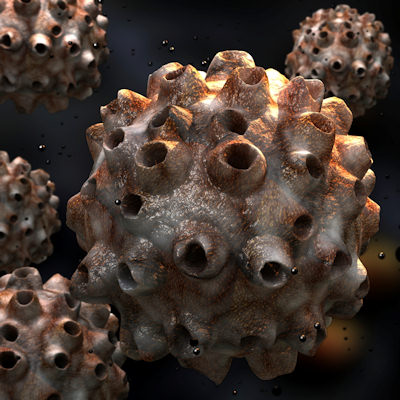 The number of U.S. adolescents who have received the human papillomavirus (HPV) vaccine has increased five percentage points annually since 2013, according to a new report from the U.S. Centers for Disease Control and Prevention (CDC).
 How many opioids should you prescribe following dental surgery? It depends on the procedure, according to a panel of dental experts from Johns Hopkins University. They recently published new prescribing guidelines for 14 types of dental procedures.
 Nominations for the 2018 DrBicuspid Dental Excellence Awards are now being accepted, giving you the chance to tell us what products should be nominated in 11 different categories for dentistry's most prestigious awards.
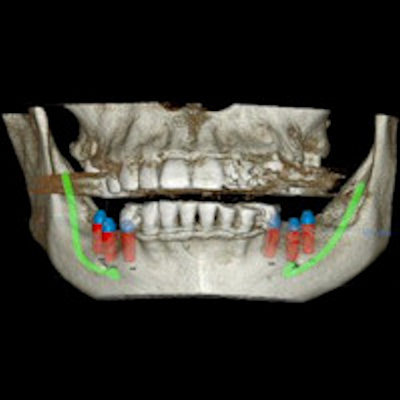 When it comes to replacing missing teeth, dental implants improve quality of life, but fixed partial dentures may prove more cost-effective over time. These findings come from a new study evaluating the cost-effectiveness of different treatments to replace missing lower molars.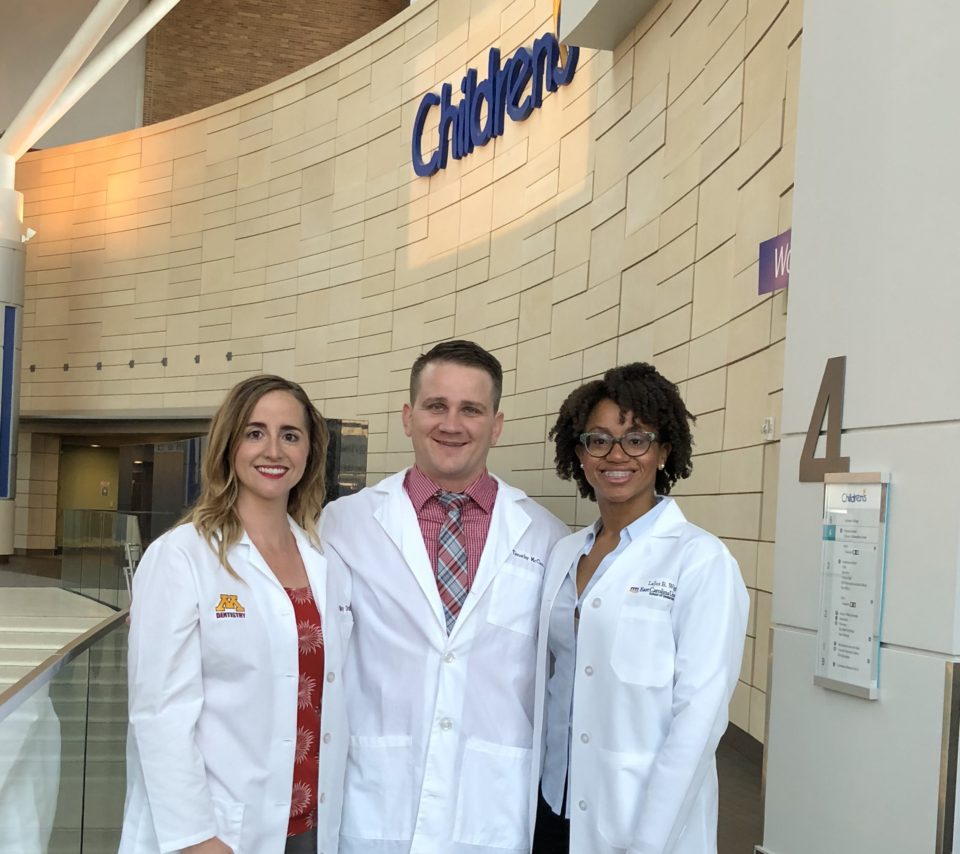
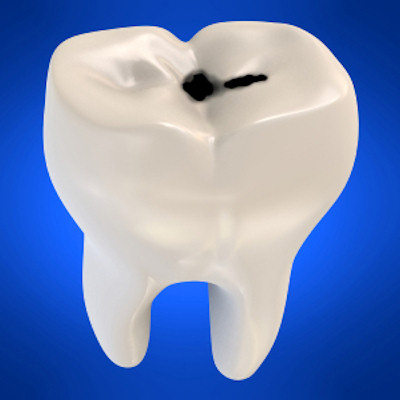 Existing caries assessment methods typically don't account for decay in both primary and permanent teeth. Enter the Total Observed Caries Experience (TOCE) measure, which its creator says offers distinct benefits compared with other methods.
 A busy dental office will always experience its share of challenges and problems, but a positive attitude is often the first step to overcoming adversity. Think of a problem as an opportunity to improve performance, advises Dr. Roger P. Levin in his latest Practice Success tip.
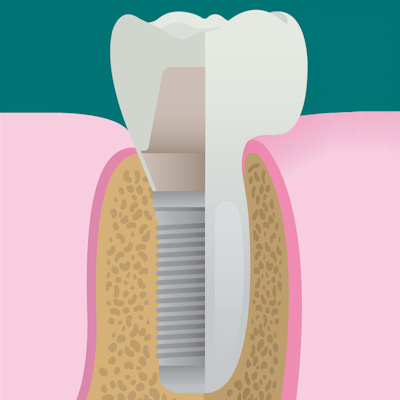 Dental implant use has grown substantially since 1999, and the prevalence among those missing at least one tooth could reach as high as 23% in 2026 in the U.S., according to a new study. At the same time, access is still low and remains greater among certain groups, the authors noted.

sedation doc