At the sound of three bones breaking in perfect sequence as my ski-boot-covered foot slammed onto the ground, my adventure day at Squaw Valley turned disastrous. I was never the student to break the “no skiing, no snowboarding” rule of dental school. Now, one surgery later, I found myself in excruciating pain and unable to walk.
Major injuries can pose many challenges, but the additional pressure of dental school makes balancing everything seem impossible. While my injury put me out of commission for months, I found five ways to survive an accident while in dental school.
1. Work with your administration early.
In the time I had to miss school, I missed nine finals and three practicals. I wanted to downplay the injury as much as possible, but I found myself overwhelmed by the amount of work I needed to finish.
The best thing you can do is have your doctor write a letter to the administration at school detailing the extensiveness of your injury, the typical recovery time, pain levels and what will be within your ability during recovery. Work with the administration on your individual needs.
You may feel tempted to rush and finish the work, but remember that you are in school to learn. Take your time and honestly communicate to faculty where you are. After all, you are paying to be there. My biggest mistake was trying to wing my schedule. I regret not making a schedule early and then studying accordingly. Schedule early and prevent the looming sense of panic when navigating your personal and academic life.
2. Lean on your colleagues.
I did not want to be that person who kept asking for help. It was hard to remember that no one wanted me to do this alone. Almost two years out from my injury, I still remember the classmates that were there for me during a difficult time. Those are the people I know to count on and hope to someday refer patients to!
Remember that the people in dental school are studying to become health care providers. Most of your classmates will offer to help in some way, and it is OK to take them up on their offers. From grabbing extra medicine to helping carry your stuff, this will strengthen your bond with your peers.
3. Manage your pain.
Proper pain management is essential to recovery. The first thing that may come to your mind post-injury is mobility, but I found that pain is much harder to manage. Factor in your need to ween off pain medications if prescribed them, factor in how you will carry your medications around and plan what regimen you will stick to. Put yourself back in the doctor’s shoes: What would you want your ideal patient to do?
Pain can be debilitating. It will make it hard to focus, and it is downright exhausting. Often it’s not just the injury, but how your body is adjusting to new methods of mobility that will be one of the biggest challenges. Plan plenty of time for rest and recovery from the pain of each day.
Try not to be discouraged by the pain because it eventually helps with patient management. I found that the medications I was prescribed mirrored my own patients’ regimens. Patients feel relieved when their doctors understand what they are going through.
4. Find someone going through the same thing.
While it was unfortunate that I and another ASDA member had similar injuries, it was nice having someone to commiserate with. We both shared our frustration with not being able to attend lobby day or even sharing our day-to-day struggles. It was always fun to swap tips on managing clinic one-legged, too! There is a reason peer groups are so effective, and an injury should never preclude you from one.
5. Redefine your purpose.
The ups and downs of dental school will always challenge your “why.” An injury will rock that “why” to its core. If that injury prevents you from doing dentistry, it can make it even harder to get through the recovery process. Maybe you went into dentistry to help people, maybe you went into dentistry to fix problems. Whatever the reason is, examine it from many angles to reshape your new life to your values.
If you are having trouble remembering, read your personal statement, talk to a faculty mentor or ask your family and friends. All of these insights are important to remember your “why” and finishing off this injury better than you started.
~Alysia Mascolo, Pacific ’20
 Just like in any business, your practice's success is defined by the amount of revenue that you bring in. Revenue can be affected by a variety of factors, so you must be proactive when it declines or stagnates, advises Dr. Roger P. Levin.
 With 2020 now only a couple days away, this is the time to reflect on the last 12 months and start thinking about the improvements you'd like to make in the year ahead. This includes establishing realistic financial goals for your practice, writes practice management consultant Sally McKenzie. She shares some tips for financial success in the new year.
 Breaking news and legal actions dominated the headlines in 2019. The year's last few months, specifically, served up some of the hottest stories involving everything from direct-to-consumer orthodontics to clinicians behaving badly, according to the articles most read by DrBicuspid.com members.
 The Iowa Dental Board has suspended the license and the general anesthesia permit for an oral surgeon who allegedly diverted patients' opioids for his own personal use, according to a settlement agreement and final order.
 Ransomware continues to impact the dental community. But with more companies refusing to pay the ransoms, hackers are stepping up their game by creating a list of those that have failed to pay. Cybersecurity and privacy expert Debi Carr explains why this list is the hacker's new weapon and how you can prepare ahead of time to minimize the effects of these attacks on your practice.
 Devil lips, a look allegedly achieved when lip fillers add pointed edges to the rim of a mouth, is the latest must-have beauty treatment in Russia. Though the method has gotten many likes and shares on social media, it also has gotten its fair share of criticism and skepticism.
 Go ahead, wrap that toothbrush and give it for your upcoming holiday celebration. Just make sure the recipient is about 24 years old. By that age, people in the U.S. are tickled to receive toothbrushes, books, or underwear as gifts, according to the results of a new survey.
 Scientists have fused acoustics and microfluidics in a novel saliva test designed to show within minutes whether a person has a high-risk strain of HPV associated with mouth and throat cancers. Results were published online December 13 in the Journal of Molecular Diagnostics.
 A recent study has linked periodontal disease during pregnancy to worse health outcomes for both mothers and their children. The authors called for more oral health outreach efforts to address this preventable and treatable health-related pregnancy risk.
 A Florida dentist who was shot outside her office in November has died. One of the accused shooters is the brother of a man she was set to testify against about a theft at her practice, according to news reports.
 Having a strong internet presence is pivotal to the financial well-being of your practice. Mike Monfredi, the practice manager at Monfredi Family Dentistry, details six ways you can improve your practice's internet presence and also build connections with your patients.
 Dr. Mel Burchman, president of the Academy of Laser Dentistry, explains how low-level laser therapy, or photobiomodulation, can offer your patients many therapeutic benefits, including reduction of pain and inflammation, immunomodulation, and promotion of wound healing and tissue regeneration, as well as being an alternative to addictive opioid drugs.
 A complete human genome, oral microbes, and human pathogens were retrieved from a 5,700-year-old type of "chewing gum," untapping a new source of ancient DNA and shedding light on the person who chewed it, according to research published on December 17 in Nature Communications.
 A former Missouri dentist has pleaded not guilty to threatening three court judges as part of a divorce and child custody, according to news reports. The dentist was arrested after a standoff with police earlier this month.
 A new California law takes effect on January 1 that requires workplaces to provide certain lactation accommodations for employees. The law also expands protections for nursing mothers and increases penalties for those businesses that fail to comply with the requirements.
 DrBicuspid.com is pleased to announce the finalists for the 2019 Dental Excellence Awards. Voting for the final round is now open, and it's up to you to determine the winners in our 10 categories, ranging from Best New CAD/CAM Product to Best New Toothpaste.
 Whether you're a dentist, team member, or dental student, you probably already know the physical strains of our profession. But dentistry doesn't have to be a pain in the neck. Dr. David Rice offers some simple strategies for staying healthy and happy as we ring in the holidays and head into the new year.
 Michigan has filed a lawsuit against Cardinal Health, McKesson, AmerisourceBergen Drug, and Walgreens, alleging the four major opioid distributors are liable under the state's Drug Dealer Liability Act.
 Poor oral health may be linked to worse heart health for patients with end-stage renal disease. A study found that patients on hemodialysis had significantly worse oral health than their peers and that these patients may also be at risk for arteriosclerosis.
 Patients may have been exposed to bloodborne infectious diseases, including HIV and hepatitis B and C, at a Tennessee dental practice that failed to properly sterilize tools and equipment. The state recommends patients who were treated at the practice's two offices during the last three years get tested, according to news reports.
 A dentist in Connecticut was ordered to pay $1.7 million for engaging in a long-term, extensive scheme of creating fake patient records for dental work he never completed to defraud the state's Medicaid program.
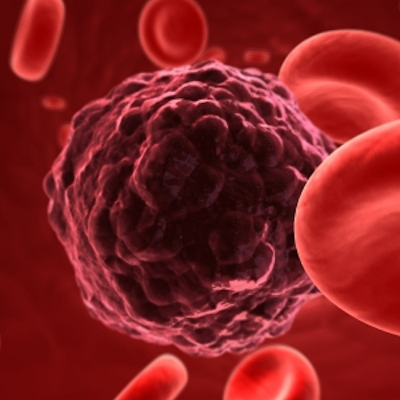 A drug intended to reduce the severity and incidence of radiation- and chemotherapy-induced oral mucositis showed promising results in a recent clinical trial. Patients treated with the drug had reduced duration, incidence, and severity of severe oral mucositis.
 A dentist in Mississippi has filed a class-action suit against Delta Dental plans and the Delta Dental Plans Association, accusing the largest dental insurer in the U.S. of fixing prices and conspiring to reduce the amounts paid to clinicians.
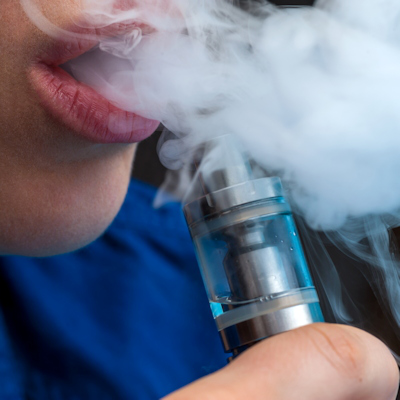 The ADA took a new, more aggressive stance against vaping and electronic cigarettes (e-cigarettes) on December 16, calling for a total ban on any products that have not been approved for tobacco cessation purposes by the U.S. Food and Drug Administration (FDA).

 Holiday time is the perfect time to play some "Would You Rather," the party game that forces participants to reveal surprising facts about themselves, providing insight into what they value most. DrBicuspid.com presents the dental edition of the game, featuring questions involving dental hygiene.
 In dental practices, Mondays are typically busy for various reasons, such as dental emergencies or patients remembering over the weekend to schedule appointments. Team members may dread returning to work after a restful weekend and starting the busy workweek. Dr. James Anderson offers some suggestions to ease the Monday blues.