Friday, August 3, 2018
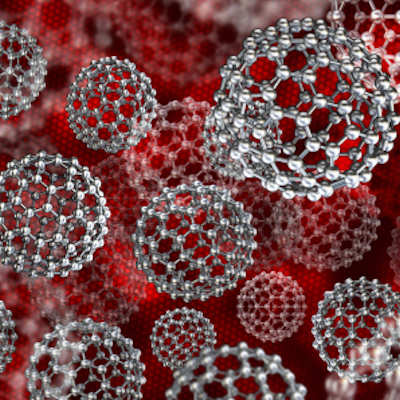 An iron-containing nanoparticle successfully disrupted pathogenic biofilms and prevented tooth decay without harming surrounding oral tissues or biofilms in a new study. The findings potentially open the door for developing a precise therapeutic approach for caries.
Thursday, August 2, 2018
 Knowing how likely CAD/CAM materials are to fracture can help direct treatment planning. A new study put seven such materials through a stress test to see how they responded, and the researchers presented their findings at the recent 2018 International Association of Dental Research (IADR) meeting in London.
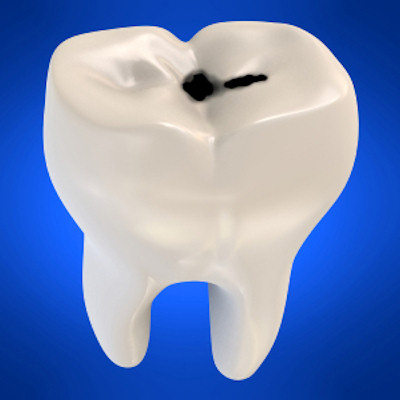 What's the best way to detect and measure caries? What are the pros and cons of the newer methods? To provide some answers, researchers put three caries detection methods to the test.
Wednesday, August 1, 2018
The ‘tooth fairy’ of our underserved communities

The organization’s founders identified a need while volunteering for the KinderSmile Foundation, which is dedicated to granting all children access to quality dental care. The KinderSmile Foundation opened its community oral health center in August 2016 as a non-profit dental home for underserved children, special needs patients and perinatal mothers. They treat patients in their clinic and travel to 35 schools across New Jersey, providing treatment to about 79 percent Medicaid or uninsured children. In 2017, KinderSmile Foundation served 1,756 patients and are projected to provide 4,800 appointments in 2018. Along with these initiatives, KinderSmile also participates in annual mission trips to give underserved communities access to dental care on a global scale. In July 2018, they traveled to Dominican Republic for their 14th mission trip.
I began volunteering for KinderSmile while in the dental scholar’s program at Rutgers School of Graduate Studies. I also work as a dental assistant for a general practice. While working here, I had to take inventory of materials and equipment throughout the office, and it was then I realized that there was often a surplus of non-preferred dental materials, especially when company representatives delivered slightly newer products. I realized that as the office’s technological systems advanced, it was left with a surplus of outdated equipment as well. While volunteering in KinderSmile’s non-profit dental home, I saw firsthand the need for dental supplies to provide quality care to the high volume of patients treated daily.
I partnered with fellow dental scholar’s program student and former KinderSmile junior board president, Linda Ali, to create Rutgers Tooth Fairies. We visited dozens of private practices across New Jersey to educate offices on the need for access to care for underserved children. This effort connected private practices to KinderSmile, facilitating an easy platform for donations while promoting a healthy, cohesive community.
By acting as awareness and education liaisons, we found a niche that was mutually beneficial for both private practices and non-profit clinics. Rutgers Tooth Fairies’ goal is to raise donations to support its parent company to expand its quality care, while reducing our carbon footprint by using and recycling unused dental supplies. Private practices are able to donate their outdated and unwanted dental equipment while having a meaningful impact on their community. As a result, KinderSmile is able reduce their overhead and can focus on expanding outreach.
Rutgers Tooth Fairies previously focused on our “Spring Cleaning” initiative and recently extended this throughout the summer. The initiative urges private practices to “spring forward” to save a smile by allowing Rutgers Tooth Fairies to help clear out their storage. The initiative provides convenience to participating practices by offering simple and mutually beneficial donations. In addition to the donation itself, Rutgers Tooth Fairies networks with offices and raises awareness of a high-quality non-profit dental home in their neighborhood, so they can refer potential patients in the future.
Since the establishment of Rutgers Tooth Fairies in March 2018, we have raised approximately $5,000 in donations across the tri-state area in New Jersey, Connecticut and New York. In addition to our continued donation efforts, marketing outreach and methods of contact have been established through Facebook (RutgersToothFairies) and Instagram (@rutoothfairies). Rutgers Tooth Fairies is also promoting free environmentally conscious health and dental tips that are easily accessible to the public. Posts are geared to oral health education and nutrition at home. We recently launched a donation page, kindersmile.org/RUtoothfairies where 100 percent of proceeds go to KinderSmile’s non-profit dental home and their summer mission trip to the Dominican Republic.
We hope to continue the mission of providing access to care for our world’s underserved communities and expanding our outreach in the future.
~Stephanie Smith, Rutgers School of Graduate Studies ’18, President and Co-founder of Rutgers Tooth Fairies


 Leaders from top dental companies came together to discuss the future of dentistry at the 2018 Sikka Healthcare Marketplace Partner Summit on July 27. Sikka Software Chairman and CEO Vijay Sikka detailed how artificial intelligence (AI) may upgrade the dental experience.
 Cost and perceived urgency of treatment are the two primary reasons older African-American patients decide to seek, or not seek, dental care, according to new research presented at the 2018 International Association of Dental Research meeting in London.
Tuesday, July 31, 2018
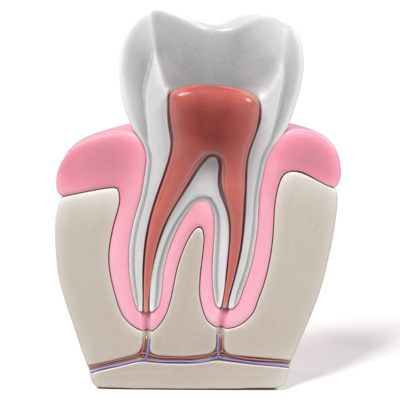 With endodontic files, reciprocating mechanisms are claimed to improve cyclic resistance and fatigue while also avoiding torsional failure, leading to better outcomes. Researchers put two nickel-titanium files through tests to see if these claims held up.
Subscribe to:
Posts (Atom)