
This past fall, our Indiana University School of Dentistry (IUSD) ASDA chapter partnered with our local Ronald McDonald House to serve families who are displaced while their seriously ill or injured child receives care at Riley Hospital for Children in Indianapolis. We helped provide home-cooked meals for families on a monthly basis, interacting with them and spreading information about our resources at IUSD, which is located across the street. These dinners also served as a time for the family members to share their child’s story and connect with other parents who may be going through similar experiences.
We established this programming because we recognized the need for volunteers at our local Ronald McDonald House, and with the facility being only a short walk away from the dental school, it became a no-brainer in terms of getting dental students and the dental school more involved.
One of the toughest parts of the dinners was hearing some of the heart-wrenching stories from the families. For example, one family had multiple other children at home over four hours away. We listened to how they balanced time between being with their child who was receiving treatment at Riley Hospital and tending to their other children at home. As a dental student, it is so easy to get caught up in the exams, crown preps and denture projects that we may forget about the hardships others are facing right in our backyard. Partnering with and serving at Ronald McDonald House taught us how to be a little kinder and more open to listening to and comforting those in need.

My experience at our dinners was always heart-warming and meaningful. Watching my fellow students come together in the kitchen to serve those away from their home for several weeks or even months allowed me to see how much can be accomplished when a group works together and how big of a difference just a warm meal can make.
It is important to continue outreach to displaced populations such as the families at the Ronald McDonald Houses. For children facing a serious medical crisis, nothing is scarier than not having family nearby for love and support. Ronald McDonald Houses provide places for families to call home so they can be near their child at little to no cost.

My advice for a student wanting to start their own outreach project for displaced populations is to tap into local resources to see how you can collaborate to give back. You can make an even bigger difference when multiple organizations come together united. In addition, be creative and optimistic, realizing that no matter how small or large the project is, ultimately, a difference is being made. This event has impacted my understanding of oral health by illustrating to me how without outreach events, those in the community who may need care the most might not know about it or receive it.
One thing I wish I’d known earlier about the event was how much the families at the Ronald McDonald House truly appreciated the meals and the interactions. I had no idea how meaningful this work would be, and I found that sometimes a parent just needed someone to listen to them. Participating in this event as a health care provider taught me how to truly get to know people in the community who are struggling in some of the most challenging aspects of life, having an ill or injured child. This event illustrated the importance of a group of volunteers coming together for a cause and making a difference in the lives of those displaced from their homes.
~Sydney Twiggs, Indiana ’21

ASDA thanks Colgate for their exclusive sponsorship of the National Outreach Initiative. This backing includes funding for the Dentistry in the Community Grant and free oral health care supplies to any chapter that requests them.
This content is sponsored and does not necessarily reflect the views of ASDA.


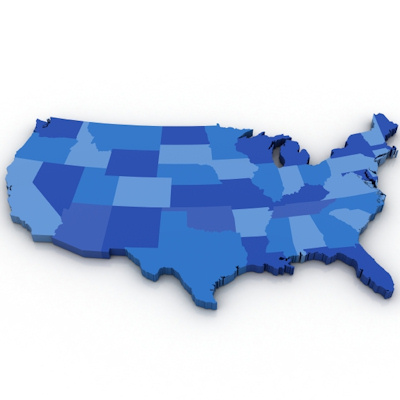 Where are the periodontists? As the number of people with periodontitis continues to increase in the U.S., are periodontal specialists located where they're most needed? To find out, researchers examined the geographic proximity of periodontal offices throughout the U.S. to the homes of the people who need their care.


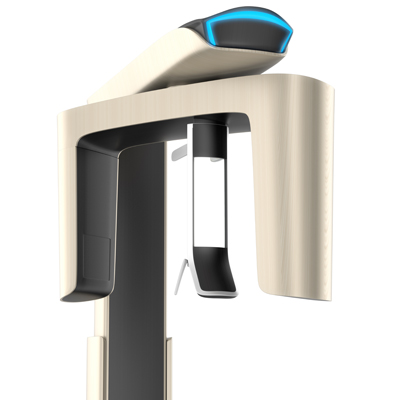 Researchers asked residents in oral surgery and orthodontics to make a diagnosis for nine different conditions by first looking at a panoramic radiograph and then at a cone-beam CT (CBCT) image. They reported on which modality was more accurate and the factors that might influence imaging decisions in a new study.
 It's a question dentists and hygienists hear every day whether they are in the office or not: Why do our kids have so much tooth decay? Periodontist Dr. Alvin Danenberg writes that the roots of the issue are nutrition and activity.
 ADA Practice Transitions


 Dr. Joshua Weintraub reports on the case of a 67-year-old man found to have recurrent subgingival decay under an old composite restoration on examination. A gingivectomy and the tooth's restoration are described using a laser for treatment.