
What qualities make up a good leader? To gain more perspective on this, I spoke with some of my administrator colleagues at Heartland Dental to get their take on what they think are valuable traits for supported doctors. The following highlights what they shared with me.
Flexibility
Anybody who has spent time working in a dental office knows that every day is different. A dental schedule never really pans out the way you thought it would when you first walked in the door, and doctor leaders must be amenable to the ever-changing details of the day. To assess this, I might ask the dentist situational questions that address how they have responded to change in the past. This can indicate how one might respond during moments when being flexible is required.
Flexibility also means being open to new ideas and changes within the dental field. As the nation’s largest dental support organization, Heartland Dental is continuously looking for ways to improve access, quality and our supported dental office teams’ ability to enhance their patients’ experiences.
Integrity
Dr. Rick Workman, Heartland Dental founder, often talks about doing the right thing for the right reason, and everything else takes care of itself. It is crucial to have dentists who treat patients as they would want to be treated. The best leaders model the behaviors they expect.
Although it can be tricky for us to predict one’s aptitude for integrity, asking candidates about their past ethical dilemmas and how they reacted is one way we start this line of conversation.
Communication and passion
Dental office teams comprised of dental assistants, hygienists and front-desk personnel look to the doctor to set the example. This is where a dentist’s passion is key. When comingled with strong organizational skills and positive reinforcement and encouragement, passion is often what makes a leader great. And the ability of the doctor leader to effectively communicate goals to the team can secure desired results.
While communicating your dental skills and education provides a great overview of who you are as a professional, finding ways to incorporate who you are as a leader will set you apart. There are many different qualities make a good leader. Embracing flexibility, integrity, communication and passion will help prepare you for the next phase or chapter of your dental career.
Details about partnership options and the benefits of working with Heartland Dental can be found at info.heartland.com/campus. View current job opportunities at jobs.heartland.com.
~Travis Munson, Doctor Recruiter, Heartland Dental
This content is sponsored and does not necessarily reflect the views of ASDA.


 Patients who are frustrated with a practice's billing processes may decide to find a new dental home, according to recent research. How can your practice ensure this doesn't happen? Rebecca Farrington of Healthcare Administrative Partners suggests accepting electronic payments. She offers three reasons why your practice should consider this option.


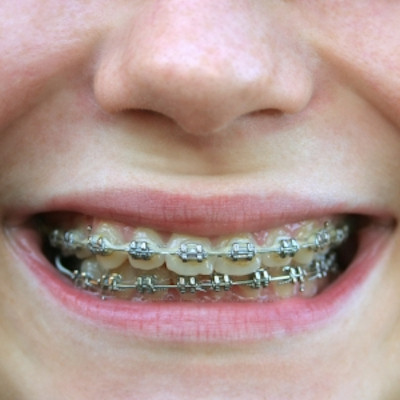 How do potential patients and their families make decisions about undergoing orthodontic treatment? The process can be complicated, in part because of the treatment's expense and largely cosmetic status, as well as the involvement of mental health factors. Researchers interviewed orthodontic patients to learn more.
 Just as with any business, one of the main reasons you run a dental practice is to make money. So it's illogical that you would wait long periods of time to collect payments or, even worse, not get paid at all. Collecting a debt can be uncomfortable, but avoidance isn't the answer, notes Dr. Roger P. Levin. Create an effective collections plan and stick to it.
 Is your practice at a point where you are considering adding an associate? It's a process that can lead to additional practice growth and satisfaction, but it also is a big step with many stages to consider. Cindy Bickers, manager of Henry Schein Nationwide Dental Opportunities, details the practical steps, some of which you may not have considered before.
 The Action for Dental Health Act became law on December 11, 2018, after stalling for more than 18 months in the U.S. Congress. The law funds oral health promotion and disease prevention program and also aims to increase access to care in underserved communities. It is cited by both the ADA and Oral Health America as a victory for dentistry and public health.