Tuesday, December 11, 2018
 Dr. Joshua Weintraub reports on the case of a 67-year-old man found to have recurrent subgingival decay under an old composite restoration on examination. A gingivectomy and the tooth's restoration are described using a laser for treatment.
Monday, December 10, 2018
Everyday habits that contribute to jaw pain and TMD symptoms

If you’ve ever experienced temporomandibular disorder (TMD), then you know that the pain can be debilitating. Those who suffer from TMD may struggle to talk, eat or generally use their jaws. Many people begin forgoing their favorite foods or even skipping meals altogether. Others avoid conversations because it hurts too much to talk.
TMD (also referred to as TMJ, or temporomandibular joint syndrome) affects the temporomandibular joints and muscles that connect the jaw to the rest of the skull. These muscles nearly reach the ears, so TMD can cause severe pain across much of the face. The pain is often most severe when the muscles and joints are used in some activity such as chewing. TMD is sometimes accompanied by a clicking sound when the jaw is moved.
TMD can be detrimental to your quality of life. Sadly, many everyday habits can cause or aggravate this condition.
Bad habits that can cause TMD
Many “bad habits” can lead to the onset of TMD. For example, the simple habit of clenching your jaw while concentrating can cause it. Grinding your teeth is another common cause. If you frequently clench your jaw for any reason, even in your sleep, you may end up suffering from TMD. In these cases, the jaw is being exposed to too much pressure, which can damage the joint and strain the muscles around it.
Biting your nails may also cause TMD. When you bite your nails, you typically move your jaw in ways it’s not really meant to. And it should go without saying, but you shouldn’t use your teeth as scissors to tear open packages or any other kind of container. Smoking also can cause for TMD.
Everyday activities can cause TMD
Many seemingly innocuous activities can contribute to TMD, as well. Do you have a tendency to prop up your head with your hands? If so, pay attention to how your jaw feels. Feeling pain? That hand prop might be the cause.
Many people love hard candies, nuts and other hard, crunchy foods. Whenever you’re snacking on such foods, you need to be careful, especially if your jaw is feeling sore. By the way, chewing on ice isn’t likely to crack your teeth, but it could still cause or aggravate TMD.
Meanwhile, if you engage in heavy physical activity, like playing soccer, you have to be careful as head injuries can also cause TMD. You might be worrying about your legs and avoiding errant kicks, but if you bump heads with someone else or are struck in the face by a ball, you could injure your jaw.
Our jaws are powerful and essential parts of our body. Every time we talk or eat, we put them to use. Unfortunately, they are both strong and fragile, and your everyday habits could inadvertently be wearing down your jaw’s joints and muscles. So make sure you’re holding your chin high and avoiding the habits listed above, and that you’re advising your patients to do so as well. This could help you avoid a painful but preventable case of TMD.
~Dr. Katherine Phillips


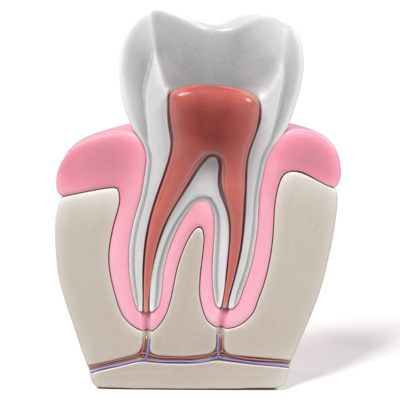 Why are some practitioners using nickel-titanium rotary instruments and some not? What might encourage practitioners to try these instruments? Researchers surveyed endodontists and general dentists to find out the answers to these and other questions.
 The telephone is your practice's main connection for bringing in new patients. Your front desk coordinator must always use answering the phone as an opportunity to welcome new callers enthusiastically, build value for the practice, gather information, and schedule an appointment, advises Dr. Roger P. Levin.
Friday, December 7, 2018
 What considerations should you have when prescribing opioids for pregnant women? The National Maternal and Child Oral Health Resource Center created a new guide to help dentists answer this very question.
Thursday, December 6, 2018
 Getting patients to pay on time can be quite a challenge for any practice. And beyond the stress and hassle in collections, the lack of cash flow can affect a practice's ability to expand. In her latest column, practice management consultant Sally McKenzie offers four practical tips to improve collections and your practice's finances.
Wednesday, December 5, 2018
Becoming healthier after losing 75 lbs

We know a tremendous amount about how our body works. We can identify important landmarks in the oral cavity, distinguish the differences between types of diseases and even recite step-by-step processes of metabolic reactions. With such a great deal to absorb and memorize, we sometimes need a reminder to observe the health of our own bodies. Staying physically and mentally active is an essential part of a student’s everyday life. But with classes, lab projects and a whole lot of studying, it can be easy to skip your standard gym workout or even a mundane run around the block. In light of all this, I’d like to share how fitness and wellness changed my life, and how you can incorporate unique routines into your own schedule.
Growing up, I struggled with my weight. I played sports in grade school but was never serious about being physically active. My diet was not the best, and it involved a lot of fast food and buffets. My weight peaked at 240 lbs. The monumental shift in my mindset came at the end of my freshman year of undergrad. I was couch potato, spending most of my day playing video games alongside an assortment of snacks, while my GPA suffered. I could not ignore my unhealthy lifestyle any longer, and I knew a change was needed.
Throughout undergrad, I experimented with numerous workout routines, dietary supplements and diet plans. I started setting small fitness goals for myself as well. It wasn’t until senior year that I found a personal workout and diet plan I loved, and while I’ve made some adjustments, I’m still sticking to it in dental school. After years of motivation, hard work and discipline, I am currently at 165 lbs, and this is the best I’ve ever felt.

Mental wellness
Through extensive research, meditation has been found to be an effective means to relieve stress, anxiety and depression. Dr. Elizabeth Hoge, a psychiatrist and professor at Harvard Medical School, describes mindful meditation as “mental training,” a way to train your brain to relax while also staying focused. She has led numerous studies on the benefits of meditation, and in her most recent study, she found that a mindfulness-based stress reduction program lowered the symptoms of people with generalized anxiety disorder.
When I get home after class, I give myself five minutes to sit down and meditate. Never done it before? There are mindful mediation apps you can download on your phone such as Headspace and Calm that provide timed, guided lessons.
Physical wellness
Joining physical wellness classes and clubs are effective ways get your blood pumping before or after a day of hitting the books. Look around your city for these classes such as hot yoga, boxing and cycling. There are also local clubs dedicated to running, rowing and high-intensity interval training (HIIT). Find something you enjoy.
These clubs also offer a variety of time options, and if you’re in a time crunch, see if they have 20- to 30-minute productive yet quick sessions. Speaking from experience, participating in these classes with friends and classmates can make the activity fun and even more motivating. More into team sports? Find out if your school holds intramural sports such as soccer, basketball or kickball. Intramurals are another a fun and competitive way to get a great workout in. We formed a UB Dental basketball team called the Nike Air Maxilla’s!
More often than not, heading to the gym or a training session can take too much time out of your day, and we tend to just skip the whole endeavor altogether. In that case, build your own home workout routine. Depending on your preferred style of physical activity, you can set up your own home gym and search for a personal training program online. For example, if you’re into HIIT, you can buy free weights, resistance bands and a workout mat. Then, you can search YouTube or other websites for HIIT programs such as P90X or Insanity. Owning some easy and accessible gym equipment can go a long way. I own a pull-up bar that I latch on to my door, and along with a few sets of push-ups, I enjoy a quick 10-minute workout to start my morning.
Once you narrow your options down, the next important piece is fitting your workout to your schedule. Find a time that works best for you, whether it be before or after class. I have found that having my workouts scheduled first thing in the morning invigorates me for a productive day at school, and I have noticed that I feel much more awake and focused in class.
According to the World Health Organization, “adults aged 18–64 should do at least 150 minutes of moderate-intensity aerobic physical activity throughout the week.” You can split and allocate your time to 30 minutes a day or even an hour every other day. The intensity of your physical activity should also be at least somewhat challenging for you, where you find yourself breathing heavier than normal while working up a good sweat. Stay diligent by sticking to your routine. Use your calendar or organizer to plan your workouts, hold yourself accountable and make your workout session a habit. If you feel physically overworked, resort to some stretching and meditating.
Eating well
Nutrition is the last and arguably most essential aspect to fitness, so make sure to provide your body with the right fuel and nutrients it needs. In my senior year of college, I found a nutritional program online called Lean Gains, and I’ve been using it ever since. It calculates your number of calories and macronutrients, depending on your active lifestyle and total daily energy expenditure. These numbers will set a limit of how much you should intake depending on your goals, whether it is weight loss or muscle gain. Lean Gains also uses intermittent fasting, where I have an eight-hour window of nutrients intake and then 16-hour fast per day. Combining calories/macro counting and intermittent fasting has had a profound effect on my health. I tend to cycle, depending on the season, and it is currently bulking season (more food).
A healthy transformation can start at any time. Finding the workouts you enjoy, incorporating them into your schedule and sticking with the routine are all possible with a determined mindset. I hope my story and these suggestions have been helpful and even sparked your interest in trying something new. An active lifestyle is a healthy lifestyle, and just as our profession requires us to provide optimal care to our patients, we must also remember to take care of ourselves.
~Lawrence J. Camacho, Buffalo ’21


Subscribe to:
Posts (Atom)