Tuesday, July 21, 2020
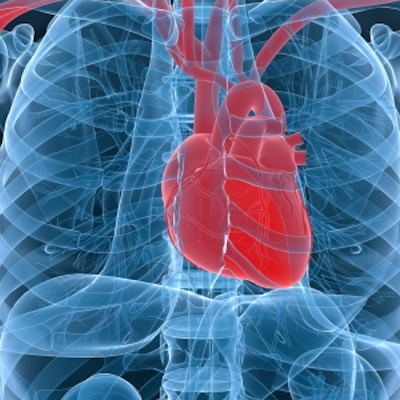 The tongue coatings of people with chronic heart failure differ from those in people who don't have the progressive condition, according to a recent presentation at the online event Heart Failure Association (HFA) Discoveries.
 With his 33 years of experience in the operatory, Dr. Dennis Pezzolesi has seen many different kinds of leadership techniques. In this article, he dives into five individual styles of leadership and asks readers to determine which one represents them -- and if that's good for their practices.
 Tom Viola, RPh, discusses why there appears to be a connection between proton pump inhibitors (PPIs) and the odds of testing positive for COVID-19. He then joins Kevin Henry, DrBicuspid.com's editor in chief, for a short podcast on the link between PPIs and dental implants.
Monday, July 20, 2020
How nature can improve cognitive function and well-being
You’ve all likely heard the phrase “get some fresh air” to reduce your tension or to help you think more clearly. But did you know this advice is actually based on fact? Nature has been proven to boost cognitive function and mood.
As part of a research study at Rotman Research Institute, University of Michigan and Stanford University in 2012, participants walked for 50 minutes in either nature or an urban environment. Their short-term memories were evaluated before and after the walk. Participants who walked in nature had significant increases in their memory span and in their mood.
Being in nature or looking at a nature scene can significantly lower physiological effects of stress including lowering your heart rate, increasing muscle tone and reducing headaches, according to a 2006 study at Deakin University in Melbourne, Australia. This is important as aspiring dental professionals because we need to think quickly in urgent situations and build patient rapport with a friendly face. If we spend more time outdoors, we probably wouldn’t feel as drained of energy after a full day in clinic or listening to lectures.
If getting outdoors frequently isn’t an option, even looking at a nature scene or being exposed to natural light (think large windows) can reduce stress. A view to the outdoors can reduce our stress, and stress for our future employees and patients. Patients who are able to see nature during their office visit can perceive their appointments as less stressful and more satisfactory.
~Savanna Fonkert, Minnesota ’22
Finish reading this article in the June/July issue of Contour magazine.


 Regarding the recovery phase, you should be in a mode of preparation. When the crisis is over and the U.S. can get back to its normal daily activities, your practice must be ready for action, writes Dr. Roger P. Levin.
 Within the Curve Hero practice management software, how can you set up recare to ensure the process works and updates correctly for the patient? Curve trainer Tracey Thompson offers some tips and advice.
 Humans register some tastes, such as sweets, more quickly than others due to molecular size. Flavor flow also affects taste perception, and knowing this may affect broad public health concerns, according to a study published on June 4 in PLOS Computational Biology.
Subscribe to:
Posts (Atom)