Friday, August 30, 2019
 More than one-quarter of British adults turn to sugar when their stress levels spike, according to new survey results from a U.K.-based oral health nonprofit. The percentage was even higher for doctors, office workers, and other professionals.
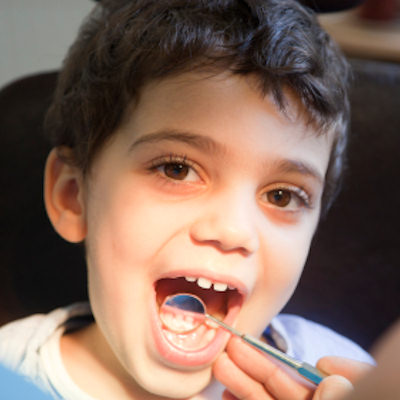 The age, country of birth, and marital status of household members better predict the prevalence of dental caries, sealants, and restorations in children than education, according to a new study published in BMC Oral Health on August 27.
Thursday, August 29, 2019
 Obtaining predetermination from a payor is crucial for a practice, but being told that a paper image didn't arrive or was unusable is a common frustration. Robert Patrick of Vyne outlines three common issues with claim attachments and how your practice can avoid them.
 It is unclear whether receiving dental treatment before cardiac valve surgery improves patient outcomes, according to a systematic review recently published in the Journal of the American Dental Association.
 Tooth or jaw pain may be symptoms of a headache, according to new research from the journal Neurology. Up to 10% of people with headaches also experience orofacial pain, and tooth or jaw pain may be the only headache symptom for some people.
Wednesday, August 28, 2019
Being empathetic in practice
Empathy is defined as “the psychological identification with or vicarious experiencing of the feelings, thoughts or attitudes of another.” For dentists, empathizing with patients is not only good practice. According to the September 2014 issue of the New Zealand Dental Journal, dentists who empathize with their patients enjoy higher rates of case acceptance and patient satisfaction.
We can start practicing empathy by putting ourselves in our patients’ shoes. Some come into our offices only when something is wrong. Potentially they have to miss work and hire a babysitter for the appointment. They might have to take public transportation to your location. Most likely, they’ll have to wait, and if they didn’t schedule an appointment in advance, it could be hours. They may have no idea what needs to be done, and they’re concerned that whatever treatment is rendered could cost a lot, could hurt, could inconvenience them further. If any tests are conducted, they may have to keep anxiety at bay for days, and sometimes weeks, while they wait for results. They may suffer through this situation alone, since they don’t want to alarm their family members.
While this scenario may not be the case for everyone, it is for some. How will you treat them? The first step is to validate your patients’ experiences. If they are complaining about pain, be passionate about finding its source. Learn more about how they got there and why they’re in your practice now. Make sure each patient feels cared for — not dismissed.
Also, patients can be anxious. Sometimes, a dental appointment comes with unknown territory, and when patients are nervous, waiting is more than an inconvenience. Imaginations can flourish, and the extra time to focus on the source of the anxiety only exacerbates it. Try to keep to your schedule, and if you need to keep patients waiting, at least let them know personally, so that they are aware that your tardiness is not due to a lack of respect for them.
When possible, familiarize yourself with your patients’ histories before they arrive. Remember that it’s more important for you to know your patient than for your patient to know you. In hospitals, patients are asked their name and birth date before every fleeting conversation with every health care professional, but that doesn’t necessarily instill any confidence. A smile on the practitioner’s face and a soothing word will go far. Your patients need to know you mean more to them than a chart number and a procedure code.
Understand that no matter how simple a procedure may seem to you, your patient might be legitimately terrified, so fully explain their condition and what you plan to do about it in a way that’s easy to grasp. Each patient deserves to be included in the diagnostic and treatment planning process. It might seem overboard to explain a dental prophylaxis to an adult or to have to consider the anxiety level of a patient undergoing such a procedure, but from the patient’s perspective, all new procedures can be fraught with unknown dangers and threats.
Finally, make your patient feel like a valued member of your practice. Your patients entrust you with their problems. They need information, guidance and treatment. You may not be able to identify the source of every single issue, but remember that in choosing to be a health care professional, you committed to caring for people. Practicing empathy will help you achieve this.
~Drs. Ivy Peltz and Eric Studley
 In hopes of reducing the number of patients with hospital-acquired pneumonia, insurance company Aetna is sending oral hygiene care packages to certain patients before surgery. The company's chief dental officer highlighted the program's impact during a media presentation on August 26.
 Seven out of 10 U.S. voters support adding dental benefits to Medicare, according to poll data released on August 26. The majority of likely voters from every age group, race, gender, and political party supported the idea.
Tuesday, August 27, 2019
Why you need board and externship malpractice coverage
Contrary to what most dental students believe, you’ll need malpractice insurance before you even graduate dental school. Why? Because every dental student has to take board exams. And if you plan to do an externship, you’ll also need coverage for that risk, too.
Board exams
Some dental boards may offer pre-arranged coverage, but this could be through a carrier that doesn’t specialize in malpractice insurance. The coverage also might be on a Claims-made basis, which requires the purchase of tail coverage when you cancel.
Externships
Any students who plan to complete an externship will need malpractice coverage to protect themselves from claims or other incidents that might occur. If this coverage isn’t already provided by your dental school, you’ll need to purchase your own.
Applying for free coverage
MedPro Group offers free coverage for your board exam and while you’re completing your externship. It is on an Occurrence policy, which means you don’t have to buy tail coverage, and it’s available in all 50 states. Here’s how you can apply:
- Visit medpro.com/boardandexternship.
- Download and complete the one-page application.
- Email the application to dentalstudents@medpro.com.
MedPro’s goal is to help you make an educated decision about malpractice insurance. Contact MedPro’s dental team at dentalstudents@medpro.com or 800-4MEDPRO x119660 to learn more.
MedPro Group is the marketing name used to refer to the insurance operations of The Medical Protective Company, Princeton Insurance Company, PLICO, Inc. and MedPro RRG Risk Retention Group. All insurance products are administered by MedPro Group and underwritten by these and other Berkshire Hathaway affiliates. Product availability is based upon business and/or regulatory approval and may differ among companies. Visit medpro.com/affiliates for more information. © 2019 MedPro Group Inc. All Rights Reserved.
~MedPro Group
This blog post is sponsored by MedPro Group.
 Transgender and gender-nonconforming patients often feel welcome, or at least neutral, when visiting the dental office, according to new study findings in the Journal of the American Dental Association. The same isn't always true when they receive care in other medical settings.
 In this Second Opinion, Dr. Johnny Johnson Jr., president of the American Fluoridation Society, looks at a recent study in JAMA Pediatrics about fluoride and IQ. Dr. Johnson addresses the study's drawbacks and calls for robust research on fluoride and fluoridation.
Monday, August 26, 2019
The measles outbreak and modern health information accessibility
The Centers for Disease Control and Prevention has declared that the United States is amidst the worst measles outbreak since 1992, although the disease was declared eliminated in 2000. As one of the most developed countries in the world, this is an alarming stat that all health care professionals should be concerned with, including dentists. This dilemma initially comes off as an isolated event, yet it is a symptom of a more systemic problem that our society faces: how our country’s access to information impacts public health.
In 2013, the Pew Research Center estimated that about 60% of internet users have looked for health information online. A September 2018 study from the American Journal of Public Health states that antivaccine advocates have a significant presence on social media, and that exposure to negative information about vaccines is associated with increased vaccine hesitancy and delay. This is an issue that is not just suited for public health officials, but one all should be working to solve.
Simply communicating our concerns to our patients, friends and colleagues in any form of media or face-to-face can make a difference. Through public health, dentists have an opportunity to connect with other health care professionals to work on a variety of issues. In a more united approach, not only are we making our communities healthier, we can collaborate with our colleagues in science to better understand and respect each other’s professions.
An example of this collaboration comes from Oregon, where Governor Kate Brown has signed a bill that allows dentists to offer any vaccine to patients. In a May 8, 2019, article published on Oregon Public Broadcasting’s news site, the dean of the OHSU School of Dentistry said he believes that this legislation will improve vaccination rates, especially for the flu. The article also stated that the School of Dentistry is working with the Oregon Board of Dentistry, the Oregon Board of Pharmacy, Oregon Health Authority and the Oregon Dental Association on how training will be executed to dentists and dental students.
Similarly, New York Governor Andrew Cuomo signed a bill into law that ends exemptions from vaccines for non-medical reasons. He was quoted in a news release from the New York Office of the Governor as saying, “The science is crystal clear: Vaccines are safe, effective and the best way to keep our children safe. While I understand and respect freedom of religion, our first job is to protect the public health and by signing this measure into law, we will help prevent further transmissions and stop this outbreak right in its tracks.”
As we’ve seen with the current measles outbreak, we must emphasize the importance of evidence-based research when it comes to not only vaccines but any form of medical and dental treatment given to our patients.
~Richard Rodriguez, Texas A&M ’21
 The number of U.S. adolescents who have received the human papillomavirus (HPV) vaccine continues to rise, according to a new report from the U.S. Centers for Disease Control and Prevention (CDC). However, the increase is modest compared with previous years, the researchers noted.
 Practices that fail to protect their patients' health information could end up facing severe penalties and fines, with far-reaching effects for years to come. Take a proactive approach and put proper protections in place to provide your patients with peace of mind and keep your practice in compliance, advises Dr. Roger P. Levin.
 If you want patients to stop grinding their teeth, maybe you should email them. A new study found that patients who received regular email reminders significantly reduced their daytime nonfunctional tooth contact.
Friday, August 23, 2019
 Oral disease is prevalent in elite athletes despite the fact that they brush their teeth more than other patients, according to the findings of a U.K. survey. Most of the athletes indicated, however, that they would be willing to change their oral hygiene behavior to improve their oral health.
 Medication-related osteonecrosis of the jaw is a rare but painful condition that sometimes occurs after tooth extractions. Collaboration among dentists and pharmacists is needed to treat the pain associated with this condition and improve patient outcomes, according to the authors of a new article in Pharmaceutical Journal.
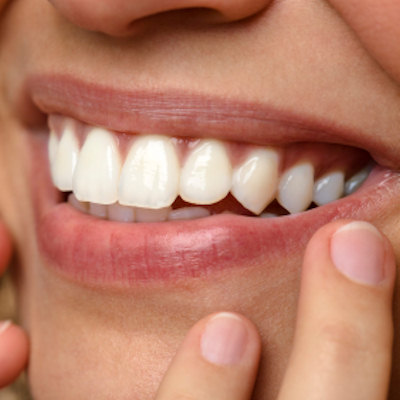 Whitening may prevent biofilm buildup on restored teeth, according to the findings of a new study. Restorations bleached with 35% hydrogen peroxide and 15% carbamide peroxide had significantly lower levels of biofilm than those left untreated.
Thursday, August 22, 2019
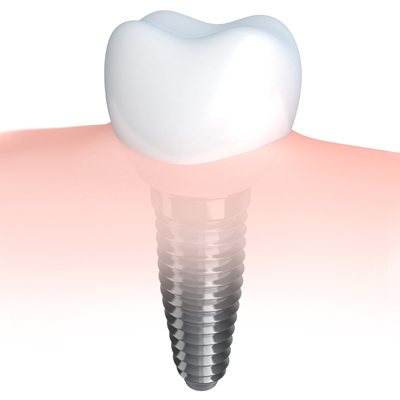 The Smiles for Everyone Foundation is launching a program to provide a free implant for selected low-income, uninsured patients.
 You likely wouldn't return to a business that offers bad service, so why would your patients come back if they experienced bad service at your practice? Dr. Roger P. Levin writes that paying attention to your customer service is key He examines five customer service mistakes and how your practice can avoid them.
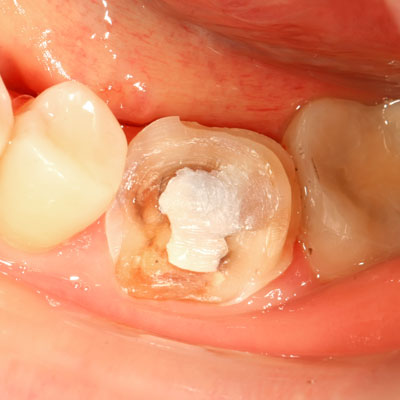 Can the application of silver diamine fluoride (SDF) affect restoration bond strength? The results are mixed, according to a new systematic review published in the International Journal of Paediatric Dentistry.
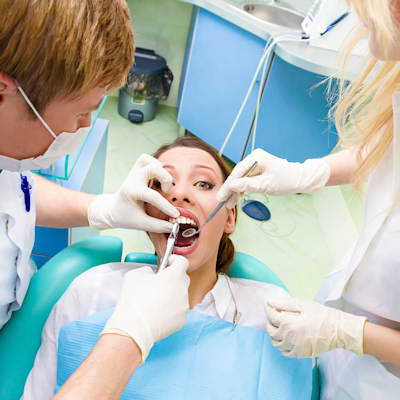 About 75% of racial and ethnic minorities and patients with low socioeconomic status reported that dental professionals did not screen them for oral cancer during dental visits, according to a new study.
Wednesday, August 21, 2019
 Cinematic rendering is a new technique that can create photorealistic images from scans of a patient's jaw and head. Researchers assessed the potential benefits of integrating these images into the evaluation of maxillofacial anatomy and pathology in a new study.
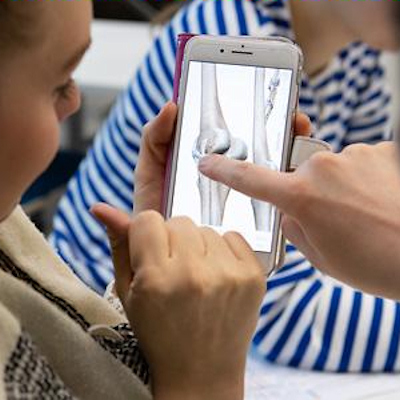 Adding game-like quizzes to dental school courses may improve learning outcomes. A recent study found dental students who took mobile quizzes during class had more motivation to learn and greater course satisfaction.
Tuesday, August 20, 2019
 A well-known orthodontist in Arkansas has been charged with 15 counts of fraud and wire fraud on charges that he allegedly paid bribes to and performed free dental work for a former state senator in exchange for legislation that benefited his dental clinics.
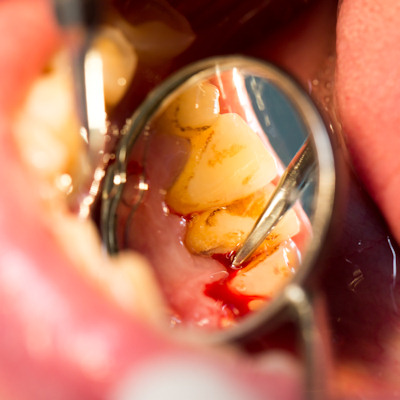 Patients with eating disorders such as anorexia or bulimia have significantly worse periodontal conditions and poorer oral health-related quality of life, according to a new study. Dentists and hygienists have an important role to play in identifying and helping these patients, the authors noted.
 The U.S. Centers for Disease Control and Prevention (CDC) is investigating a cluster of severe lung disease linked to electronic cigarette use, or vaping. Patients experienced cough, shortness of breath, and fatigue that eventually led to hospitalization.
Monday, August 19, 2019
 Prenatal fluoride exposure may have neurotoxic effects, according to a study published August 19 in JAMA Pediatrics. Researchers found that children with greater prenatal fluoride exposure had lower IQ scores as preschoolers.
Start the new school year right: Jump into dental advocacy
As a first-year dental student, I had no concept of what it meant to be an advocate for the dental profession. And when I took on my first role as the University of North Carolina (UNC) ASDA chapter legislative liaison, I still had no idea. Having no one at UNC to help guide the way, I was overwhelmed. Luckily, a few months after starting the role, I attended the ADA Dentist and Dental Student Lobby Day in Washington, D.C. It was here I realized the breadth of what it meant to be an advocate and how easy and important it is to get involved in dental advocacy.
Every day, the dental profession battles real issues that are paramount to our continued success. We fight for funds and resources allocated to increasing access to care. We stand up for ourselves by finding new ways to pass legislation aimed at lowering student debt. We explain to the public the importance of community water fluoridation and question the integrity of our licensure examinations. Without the power of advocacy and lobbying, our profession would cease to be the success it is today.
Advocacy may seem hard, but it’s not. It starts with seeing something you want to change or getting excited about policies you want to keep in place. For me, this initial issue was student debt. After lobby day, I realized that student debt legislation is something we should have a voice in. It also was an issue relatable to many of my colleagues, allowing me to soon form a legislative committee of 18 people. From there, it was much easier to create positive change within UNC.
The committee drove conversations on various pieces of legislation and added to my ideas of how we could make advocacy a key component of our school. While these new initiatives were off to an excellent start, it was with the help of ASDA that our mission really began taking off.
I first listened to the annual Advocacy 101 webinar hosted by ASDA’s national Council on Advocacy. The webinar introduces advocacy and provides ASDA members with tangible ideas on what they can do at their school. It gave me the knowledge and confidence I needed to continue working toward an established advocacy presence at UNC.
Later that year, with the help of our national legislative coordinator, we hosted our first advocacy month. We also began new initiatives such as small group lunch discussions on hot topics in dental legislation with students and school faculty, and formed a partnership with our local dental society. Everything we accomplished in this first year was possible because of a small group of people who wanted to spark change as well as the established background of knowledge and assistance from ASDA.
Your next steps
Start by dreaming big. Be persistent in your ideals, and be open to the voices of your colleagues and your patients. Advocacy is not the job of one individual — it’s the job of everyone collaboratively working to push the profession forward to be better and more inclusive than ever before. Everyone has the power to be a part of this change.
To learn more about advocacy, get answers to your questions and gain more tangible knowledge on how to get involved, join the Council on Advocacy for its first webinar of the year. We hope to give you the knowledge and skills needed to be a successful advocate the same way the Advocacy 101 webinar did for me two years ago. Cook dinner, go to the gym, or take your dog for a walk and listen along as we share some insight at 7:30 p.m. CDT Sept. 12 during our Advocacy 101 webinar.
~Kate McPherson, North Carolina ’20, ASDA Council on Advocacy Chair
 Direct-to-consumer teeth-straightening service company SmileDirectClub filed an initial public offering (IPO) on August 16. The company hopes to raise $100 million, according to documents filed with the U.S. Securities and Exchange Commission.
Friday, August 16, 2019
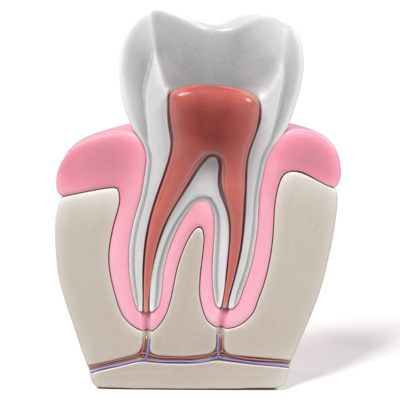 Regenerative endodontic procedures such as root canal revitalization can be successful, but tooth discoloration caused by the materials used may occur. Researchers reviewed the literature to see which materials could cause tooth discoloration and how to successfully avoid this issue.
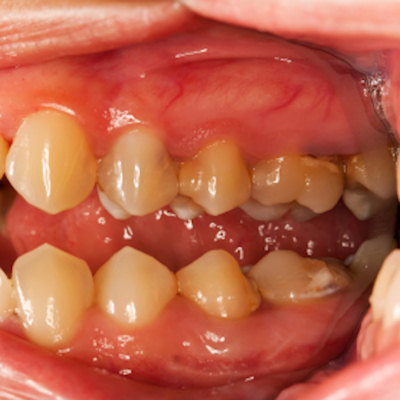 Pediatric patients' socioeconomic status, self-esteem, and oral hygiene habits all can help you predict their gingival health, according to a new study. The findings highlight the need for strategies to help improve oral health awareness and interventions.
 Prenatal exposure to vitamin D may bolster children's dental health. The children of women who took high doses of vitamin D during pregnancy had fewer enamel defects at age 6 in a new study, published in JAMA Pediatrics.
Subscribe to:
Comments (Atom)