With thousands of informative and entertaining podcasts available on different streaming services, listening to podcasts has become a normal part of many people’s everyday schedules. Podcasts are free to listen to and can be listened to anywhere — on the drive home, on a bike ride, or while cooking and cleaning. Many of them feel more like conversations than traditional news stories and are perfect for busy people on the go such as dental students.
In honor of International Podcast Day, here are some podcast suggestions for dental students:
- The Life and Dentistry Podcast: Hear about life as a dental student and from dentists who discuss overcoming personal struggles and the development of their careers.
- Student Entrepreneurs in Dentistry Podcast: This podcast is great for aspiring dental practice owners and dental entrepreneurs looking to learn about the foundational principles, concepts and strategies of business in dentistry.
- The Dentist Money Show: An entertaining podcast that also offers straightforward advice about investing, retirement planning, tax reduction, insurance, debt management and personal finance.
- The Dentalpreneur Podcast: Dr. Mark Costes hosts this podcast with hopes of passing down valuable advice and lessons from some of the greatest minds in the dental profession.
- Transition Talk Podcast: National Dental Placements started this podcast to provide guidance, tips and real-life scenarios (good and bad) to encourage and help those navigating the path to ownership.
For a break from dentistry podcasts and to stay informed with current events or to learn about something new, check out these podcasts:
- Supercharged Podcast: Every week, Supercharged tackles a question about technology, science, psychology and human existence to find out how we can approach life better in a rapidly changing world.
- Back to Work Podcast: Back to Work is a talk show discussing productivity, communication, work, barriers, constraints, tools and more.
- NPR News Now Podcast: A quick way to get the latest news. Each podcast is five minutes long and updated hourly.
- TED Radio Hour Podcast: In a partnership with TED and NPR, Manoush Zomorodi hosts this podcast, aimed at inspiring us to learn more about the world, our communities and ourselves by exploring the biggest questions of our time.
~Stephanie Jaipaul, Georgia ’22, ASDA Electronic Editor

 Dr. Joe Blaes walks readers through the case of a woman who was concerned about the appearance of her smile. Using the right products and ceramist, Blaes was able to deliver a smile that resulted in celebration for both the patient and team. He provides a step-by-step discussion of what was done to achieve that celebration.
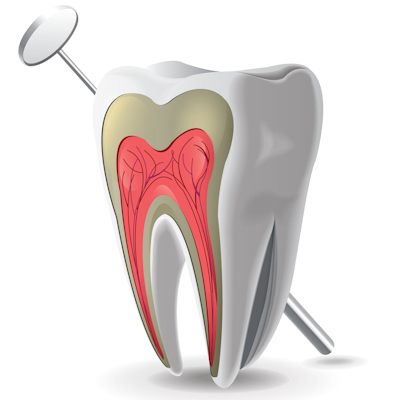 Cone-beam computed tomography (CBCT) clearly maps the neurovascular canals and the anatomic variants of patients' upper and lower jaws, facilitating the safe performance of endodontic treatments, according to a case series published on September 15 in the Journal of Endodontics.
 We spoke with Teresa Duncan in this podcast, after reading some of your comments following the U.S. Food and Drug Administration's most recent guidance involving dental amalgam. The goal was to get some answers on what really changed, if anything, and to dive into the insurance nuts and bolts regarding amalgam versus other dental materials.
 Dr. Edward Harsini discusses why he is confident that good things are ahead when it comes to the dental implant sector. While he believes implant dentistry will see a comeback after the pandemic, he tells readers it is important that dental practices reach out to patients to tell them to be proactive about their oral health.
 As the colder months quickly approach accompanied by an increased fear of a second wave of the novel coronavirus and a seasonal flu, dentists should consider how they will continue to ensure patient confidence and maintain practice revenues, writes Dan Croft. He gives advice on how practices can thrive during these upcoming times.
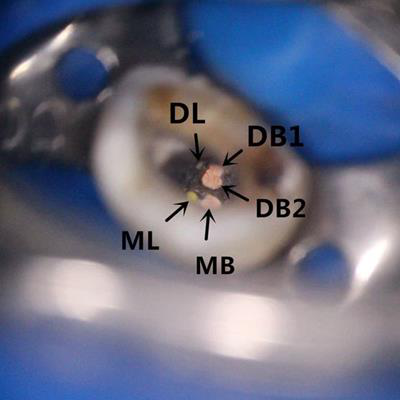 A cone-beam computed tomography (CBCT) scan helped identify a fifth canal in the first premolar of a man who was undergoing a root canal. This is the first reported case of a fifth canal in this type of tooth, according to a case report published on September 10 in BMC Oral Health.
 COVID-19 has increased the already growing level of competition that practices face. Every practice should complete a five-year strategic plan with monthly reviews and annual updates to the plan: This is how good practices become great and stay there, writes Dr. Roger P. Levin.
 Teledentistry finally may have its moment, and it may help dental practices stay on track with patients in the face of the ongoing pandemic and beyond, according to a recent panel discussion hosted by the ADA's Health Policy Institute.
 Are you looking at your hygiene schedule for the next month? Curtis Marshall is asking dentists and dental hygienists to look a month ahead and see what holes there are. You may be surprised at the number, but don't be overly concerned: There is still time to make your fourth quarter a strong end to the year.
 Dr. David Rice, clinical editor for DrBicuspid.com, discusses the importance of computer-controlled local anesthetic delivery (CCLAD). He details why this has become a favorite dental acronym of his, and why he believes CCLAD can be a benefit to your practice and patients.
 Pinterest is not your average social media platform because it's a visual search engine, writes Katie Hess, RDH. She believes Pinterest is a great fit for dental practices that blog, take lots of before-and-after pictures, host podcasts, or sell products through their website. In this article, she explains how to get started.
 Instead of recommending a complete ban of dental amalgam, the U.S. Food and Drug Administration (FDA) is advising that high-risk individuals, such as pregnant women, avoid getting these fillings "whenever possible and appropriate."
 Who would acquire a dental practice without some due diligence? During the period of COVID-19's economic effect on all businesses, it is especially important for the review of the dental practice valuation and the significance it plays in the soon-to-be-made purchase, writes Bruce Bryen, CPA, CVA.
 There's a key piece missing to the true mission of dentistry right now, opines Dr. Marc Cooper. In today's world, he believes dentistry has lost sight of its mission to act in the best interest of society as a whole. He shares his thoughts and beliefs on what could turn things around in this article.
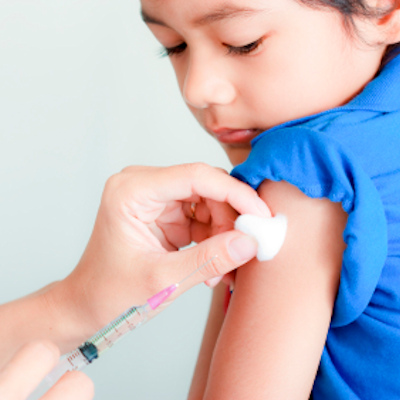 Support for a COVID-19 vaccine continues to wane even as companies report being closer to bringing one to the public. This may be not be surprising, considering people in many U.S. states don't get inoculated for other diseases such as polio and the flu.
 A recently posed question started Lynne Leggett, founder and CEO of Victory Dental Management, thinking about which reports can benefit dental practices for the rest of 2020 and beyond. So much data are available. How do you know which reports can help you the most? She offers some advice.
 With COVID-19 now a part our society, how are you ensuring that your patients and team members feel safe? Dr. James Anderson offers some advice about what must be done to create a sense of safety for all in the practice, and why that's important for your business.
 Short-term, low doses of botulinum toxin (Botox) can be used to manage pain related to the temporomandibular joint (TMJ) without causing jawbone loss, according to a study published on September 3 in the Journal of Oral Rehabilitation.
 Dr. Teresa Yang interviewed three California dentists about how they have personally and professionally navigated the COVID-19 pandemic and its effect on their businesses. They also talked about some of the changes they have made in their practices in the postpandemic days.
 With September being Dental Infection Control Awareness Month, it seems like the perfect time to discuss dental unit waterline (DUWL) safety and what dental practices should know. Did the COVID-19 shutdown create an ideal scenario for bacteria to grow in your DUWLs? Kellie Thimmes of ProEdge Dental Water Labs answers that question.
 Patients diagnosed with obstructive sleep apnea may be at increased risk for more severe complications from COVID-19, according to a new study published on September 8 in Sleep Medicine Reviews.
 In a one-on-one interview, Dr. Sam Low chatted with DrBicuspid.com Editor-in-Chief Kevin Henry about the importance of the oral-systemic link and personalizing it for each patient, as well as how COVID-19 is showing us why inflammation is one of the biggest issues the dental team must tackle with patients.
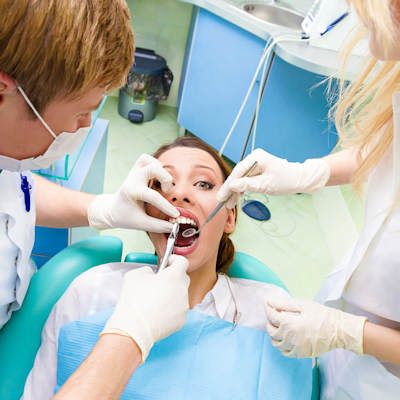 From workforce shortages to changes in infection control protocols, dental hygienists have taken a one-two punch from the COVID-19 pandemic. But in the long term, it may change their roles in practices and offer them new opportunities.