I was 17 when I left my family behind in the Philippines. I vividly remember tirelessly crying on the plane, only to wake up 14 hours later to the starry lights that lit up the San Francisco hills. By the time I got out of the terminal, it was 3 a.m. I anxiously waited for my ride, clutching onto the two bulky suitcases I packed my entire life into. It was terrifying but strangely exhilarating to move to a new country alone without any friends or family.
My journey that started that night seven years ago has been filled with challenges most international students will experience.
The dental school application process was grueling. I didn’t know of any F-1 international students who had been accepted and was even warned by one of my career advisors that I would not get into dental school as an international student. To make matters worse, I found that I could not apply to the same institutions my other peers were applying to, all because I lacked a green card. I remember frantically perusing the pages of ADEA’s list of dental schools, only to discover that zero to two international students are accepted into schools that do take international applicants. However, it was not until I was deep into my gap year that the impact of being an international student sank in.
International students are given only one year (an extra two years for STEM majors) to stay in the states after graduating college. With limited time, I had to not only rush my application but also balance three part-time jobs (limited to my major’s field) to be eligible to stay, as companies were hesitant to sponsor a work visa for someone with merely an undergraduate degree in biology. But I had to make all ends meet in order to avoid deportation and flying expensive 14-hour international flights to attend dental school interviews.
After facing such huge obstacles, I can confidently say that getting into dental school as an international student was a huge accomplishment for me. However, this new chapter in my life has opened a door to a new set of hurdles. The academic workload and extracurricular activities definitely take their toll, and at times, I can’t help wishing I was back home gobbling my mom’s homemade kimbap or picnicking with my family at the Han River. I still cry every time my parents drop me off at the airport to fly back to school.
The fear and anxiety during it all is a whole other story. Every day, I am constantly under stress about my immigration status and employment after graduation. Recent efforts from ICE have reflected my fears, attempting to oust international students taking online classes during the pandemic. Without a green card, I will also be limited to lower pay and job opportunities. Furthermore, international students are barred from applying to many scholarships, which require citizenship, and the scholarships that are available typically come in small amounts. These factors, along with lack of resources and support during the pandemic, make dental school difficult.
All things said, it’s easy to focus on the limitations, not the opportunities that arose from them. Although I’m oceans away from my family, a series of formative moments and dynamic encounters has brought me to find a keen sense of purpose and arrive at my own sense of home in dentistry. I’ve made deep connections with faculty members and colleagues who are as passionate as I am about giving back to the community and providing care to those in need. I also found great classmates who inspire me to aim higher and supportive friends who make me feel at home with delicious potlucks and fun holiday celebrations.
Because of my situation, I aim to work harder and smarter, to show myself and my family that my immigration status does not determine what I can accomplish or how far I go in my career. The biggest lesson I learned through this ongoing journey is to believe in myself. I often found myself putting up my own boundaries, whether it was saying that I couldn’t get into dental school or that I couldn’t overcome the pressure. But now I know there is no “maybe” or “I don’t think I can.” I can and I will.
~So Hee “Shelly” Kim, Arizona ’22, ASDA Council on Advocacy District 10-11 Legislative Coordinator

 Your entire team should understand that we have entered a new or next normal. Teamwork, cross-training, and focusing on the most important recovery factors will help the practice rebound faster and be well-positioned to remain stable in the future, explains Dr. Roger P. Levin.
 Cash flow issues, unfortunately, are common in dental practices, especially these days. Dental consultant Sally McKenzie has put together a list of the six most common reasons dentists struggle with cash flow, along with tips to help readers bring more money into their practices.
 Dr. David Rice, clinical editor for DrBicuspid.com, has a simple message in this article: If your practice is like his, you are passionate about quality, and you value your chair time, make sure your impression materials have these three important qualities.
 What lies ahead for the dental industry for the rest of this year and beyond? Should dental practices take more advantage of outsourcing, even in times when finances might be tight? These are just two of the topics we discussed with regular DrBicuspid.com contributors Dr. James Anderson and Lois Banta.
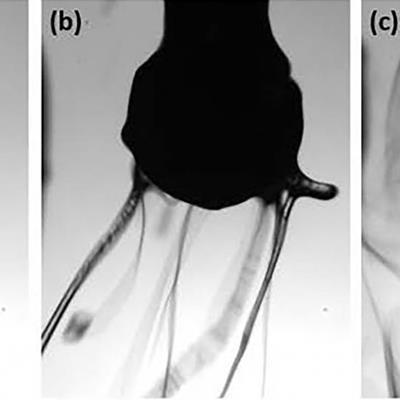 Adding a polymer to a dental office's water system can completely eliminate aerosols generated by ultrasonic scalers and drills, reducing the transmission risk of pathogens such as SARS-CoV-2, according to a study published online August 25 in Physics of Fluids.
 The 2021 Chicago Dental Society Midwinter Meeting will transition into a virtual event. Set for late February each year, the Midwinter Meeting has become not only one of the industry's biggest meetings but also a launching point for product innovations and updates.
 Dr. Marc Cooper has a simple message for his colleagues: Wake up and be responsible. With dentists and dental team members facing the threat of infection from the novel coronavirus every day, now is the time to prepare for the "what if," should it become a reality.
 As if 2020 hasn't been hard enough, many practices are facing an increase in same-day cancellations since a recent recommendation that people delay routine dental care. When you combine that with fewer hygiene recare appointments, it can leave your schedule looking bleak. Amol Nirgudkar gives three tips to fill your scheduling gaps with high-value patients.
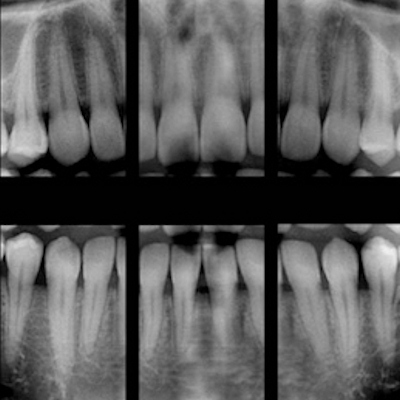 The recommendation to avoid intraoral x-rays during the COVID-19 pandemic due to potential aerosolization had an unexpected upside -- it showcased the usefulness of extraoral bitewings, according to a recent clinical article published in the British Dental Journal.
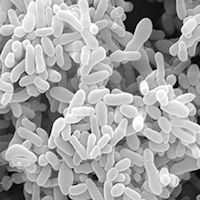 A bacterium linked to gum disease may promote the growth of a pathogen that causes bacterial vaginosis. The bacterium is likely introduced to the vagina during oral sex, according to a study published on August 13 in PLOS Biology.
 With his 33 years of experience in the operatory, Dr. Dennis Pezzolesi has seen many different kinds of leadership techniques in the dental practice. In this article, he shares some techniques that he believes will allow you to have productive meetings, get the most out of your team, and create success in your practice.
 After working with practices throughout the mid-Atlantic region, dental consultant Malika Azargoon has discovered what is working for dental practices that are hiring right now -- and what isn't. She gives four pieces of advice that can help dental practices overcome some of the hurdles in the hiring process.
 A recent study found that vaping is linked to a substantially increased risk of COVID-19 among teenagers and young adults. The study, led by researchers at Stanford University, showed that young people who vaped were five times more likely to be diagnosed with COVID-19 than those who didn't vape.
 The U.S. Food and Drug Administration (FDA), which is tasked with monitoring supply chains during public health emergencies, has announced that supplies of personal protective equipment (PPE), including surgical respirators, are limited due to the pandemic.
 How are dental hygienists dealing with additional personal protective equipment (PPE) requirements in the dental practice? We asked hygienists across the U.S. for their thoughts and the advice they would share with their colleagues. From North Carolina to Washington state, they answered our question with some interesting tips.
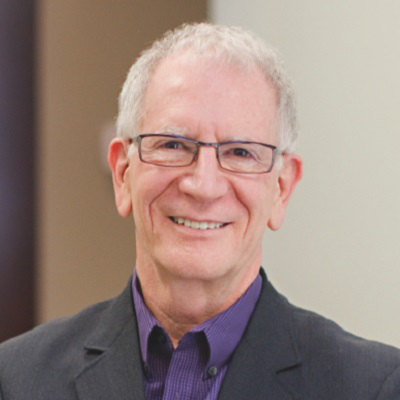 Everybody has a story. Everybody has had their ups and downs. And those who say they haven't aren't being honest, writes Dr. Alvin Danenberg. In this article, he explains how challenges resulted in his life's detours and how he was uplifted by abundance.
 A pathogen detection test based on artificial intelligence (AI) was used to diagnose a patient's rare progressive brain abscess caused by a dental infection. Details were published on July 26 in a case report in the World Journal of Clinical Cases.
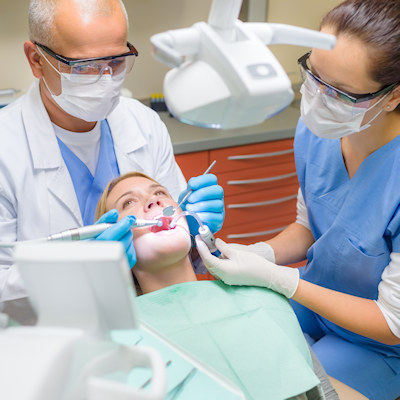 With many patients still anxious about visiting the dentist since the novel coronavirus outbreak, Guardian Life Insurance Company of America has revised its policy for covering dental hygiene to encourage more patients to come in for treatment.
 A user of CAD/CAM technology for nine years, Dr. Chris Petrush discusses how a recent switch in technology benefited his practice and expanded his digital workflow. He also shares how same-day dentistry sets him apart from other dentists in his area.
 After weeks of delivering dentistry in the COVID-19 ecosystem, Dr. Marc Cooper is finding from many of his dental clients that they and their staffs are feeling stressed, fatigued, and exhausted. It's the perfect recipe for burnout, which can lead to personal and professional struggles.


